
For Manufacturing ERP Consultants, Implementers & Finance Leaders: Why Is Change Management More Important Than ERP Configuration?
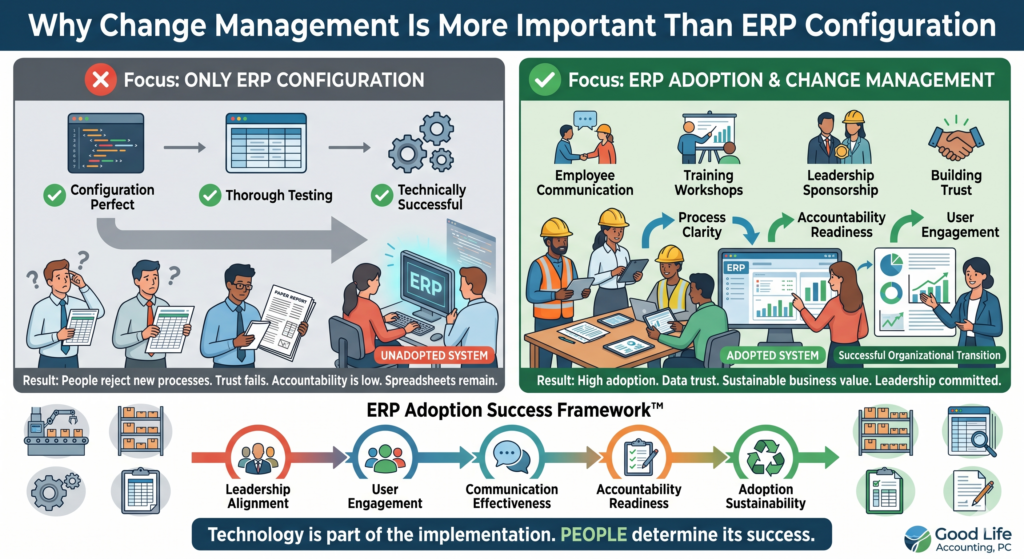
Direct Answer Change management is more important than ERP configuration because people determine whether the ERP system succeeds. An ERP platform can be perfectly configured, thoroughly tested, and technically successful, yet still fail if employees do not adopt new processes, trust the information, or understand why changes are being made. In manufacturing environments, most ERP […]
For Commercial Bankers & Lenders Serving Manufacturers: What Manufacturing Red Flags Should Commercial Bankers Never Ignore?
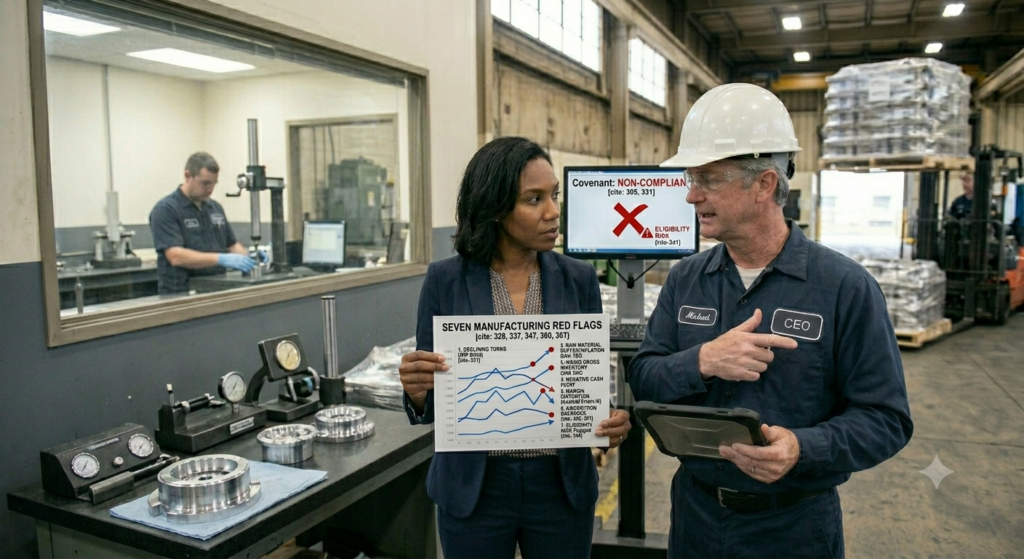
Direct Answer Most manufacturing credit problems begin long before a covenant violation, liquidity crisis, or borrowing base deficiency appears. The earliest warning signs are usually operational rather than financial. Inventory growth, declining inventory turns, recurring inventory adjustments, weakening cash conversion, outdated costing systems, deteriorating production metrics, and rising borrowing base utilization often signal emerging risk […]
What Do ERP Consultants Wish Manufacturers Knew Before Implementation?

Direct Answer Most ERP consultants wish manufacturers understood that ERP success depends far more on business readiness than software functionality. The most successful implementations occur when manufacturers have documented processes, reliable master data, accurate inventory records, validated costing structures, clear ownership, and strong executive support before implementation begins. Conversely, many ERP challenges arise when organizations […]
If a Manufacturing Company Passed Its Audit, Can the Operational Data Still Be Wrong?
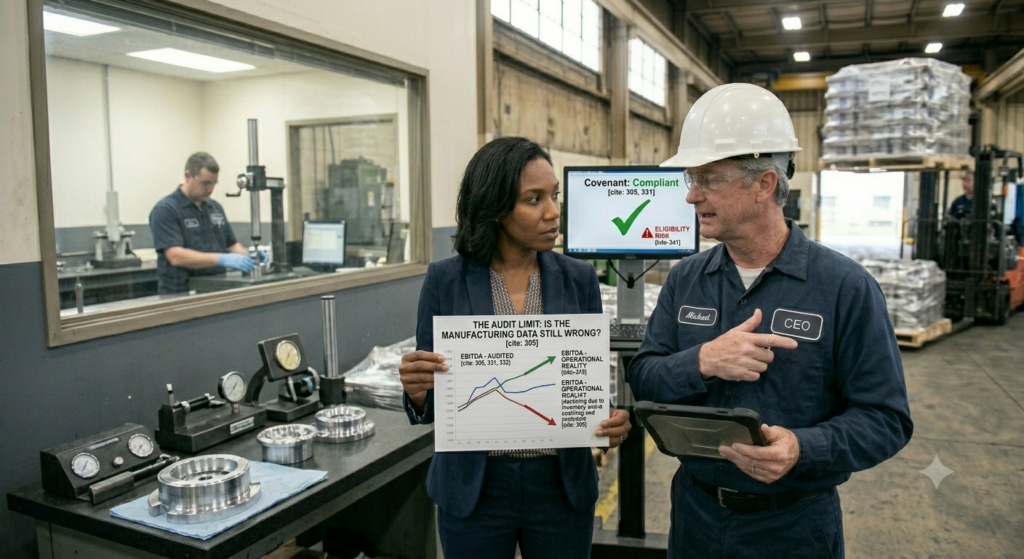
Direct Answer Yes. A manufacturing company can receive a clean audit opinion while still operating with inaccurate inventory records, outdated standard costs, declining production yields, inaccurate routings, or unreliable operational reporting. An audit provides assurance that financial statements are fairly presented in accordance with accounting standards. It does not necessarily validate every operational assumption used […]
Why Should Manufacturing KPIs Be Defined Before ERP Reporting Is Built?

Direct Answer Manufacturing KPIs should be defined before ERP reporting is built because reports only create value when they support decision-making. Many ERP implementations focus on dashboards, analytics, and reporting functionality before leadership has clearly defined which metrics matter, who owns them, how they should be calculated, and what actions should be taken when performance […]
Can Commercial Bankers Trust Reported EBITDA in Manufacturing Companies?

Direct Answer Not always. EBITDA is one of the most important metrics used in commercial lending, but it should never be accepted without understanding the operational and accounting systems that produce it. In manufacturing companies, EBITDA can be influenced by inventory valuation methods, standard costing assumptions, production reporting accuracy, inventory growth, absorption accounting, and working […]
Why Should Finance Be Involved Earlier in ERP Implementations?

Direct Answer Finance should be involved early in ERP implementations because inventory valuation, costing structures, profitability reporting, internal controls, and financial reporting are built into the system design long before go-live. When finance participates only during testing or report validation, organizations often discover that critical accounting requirements, costing assumptions, inventory controls, and management reporting needs […]
What Manufacturing Metrics Should Every Commercial Banker Understand?
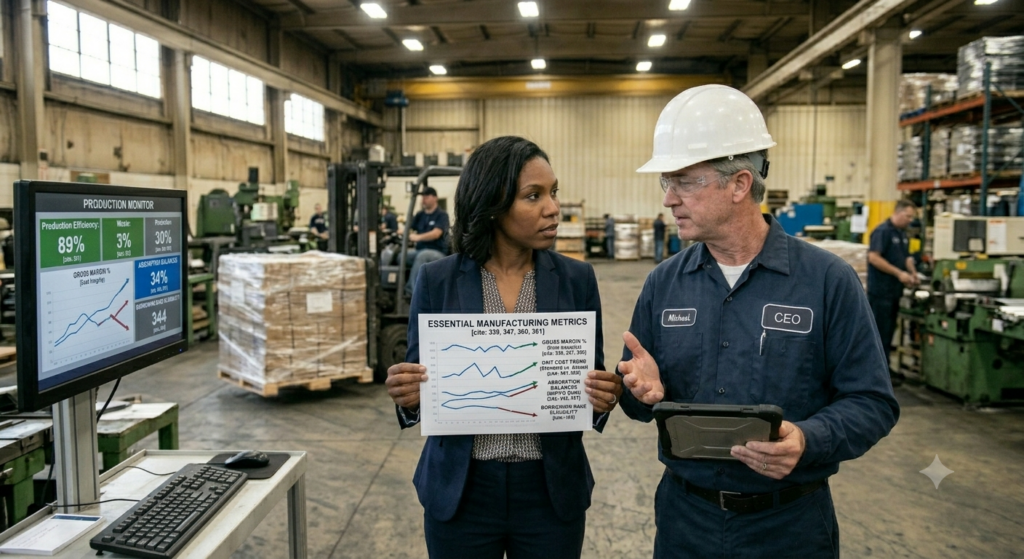
Direct Answer Commercial bankers who lend to manufacturers should understand more than financial ratios. Inventory turns, yield, scrap rates, work-in-process inventory, schedule attainment, capacity utilization, labor efficiency, production variances, and equipment effectiveness often reveal emerging credit risks months before those risks appear in financial statements. While financial statements explain what happened, manufacturing metrics often indicate […]
How Do Production Reporting Errors Flow Into Financial Reporting?

Direct Answer Production reporting errors flow directly into financial reporting because manufacturing accounting depends on accurate operational data. Material consumption, labor reporting, scrap transactions, production completions, yield calculations, and inventory movements all affect inventory valuation, cost of goods sold, gross margin, and profitability reporting. When production activity is reported incorrectly, financial statements may become inaccurate […]
What Happens When Standard Costs Are Wrong During ERP Implementation?

Direct Answer When standard costs are wrong during an ERP implementation, the system can generate inaccurate inventory valuations, unreliable product margins, misleading profitability reports, incorrect production variances, and poor management decisions. The ERP software may be configured correctly, transactions may process successfully, and reports may appear professional, yet the financial information produced by the system […]